



Key Takeaways
Investing in high-quality footwear ensures long-lasting comfort and natural performance for your daily routine at home. Understanding material grades and maintenance needs will help your favorite pair last for years to come.
- Sheepskin provides unmatched natural thermoregulation for year-round comfort.
- Checking for density and genuine thickness helps identify premium quality products.
- Choosing the correct style—whether a scuff or boot—depends on your indoor and outdoor needs.
- Regular brushing with specialized tools keeps the wool texture fluffy and resilient.
- Sustainable sourcing ensures ethical practices and superior wool quality in every pair.
Why choose sheepskin for your footwear
Selecting the right pair of indoor shoes is essential for maintaining comfort during quiet mornings and relaxing evenings. Natural materials offer a tactile experience that synthetic alternatives simply cannot replicate, grounding your lifestyle in quality and timeless warmth. By choosing authentic sheepskin, you are opting for a renewable resource that feels as good on the skin as it looks in your home.
Natural thermoregulation properties
Sheepskin acts as a natural insulator, which helps maintain a steady temperature regardless of the external conditions. Because the fibers are hollow and breathable, they trap air to keep feet cozy in winter while allowing excess heat to escape during warmer days. This remarkable ability to regulate temperature keeps your feet at a comfortable equilibrium, preventing the sudden sensations of over-heating or chilling that are common with lesser materials.
Moisture-wicking capabilities for dry feet
One of the most practical benefits of natural wool is its ability to wick moisture away from the skin. The structure of sheepskin fibers allows them to absorb a significant amount of moisture without feeling damp to the touch, effectively pulling humidity away from your feet. This creates an environment that stays fresh and dry, reducing the risk of irritation or discomfort during long periods of wear.
Long-term durability and odor resistance
Authentic sheepskin is naturally resistant to odors, largely due to the presence of lanolin, a gentle oil found in the wool. This property prevents the buildup of bacteria, keeping your footwear smelling fresh after many hours of use. When constructed with care, these materials maintain their shape and integrity over time, offering a reliable level of support that stands up to regular daily activity without losing its plush feel.
Identifying high-quality materials
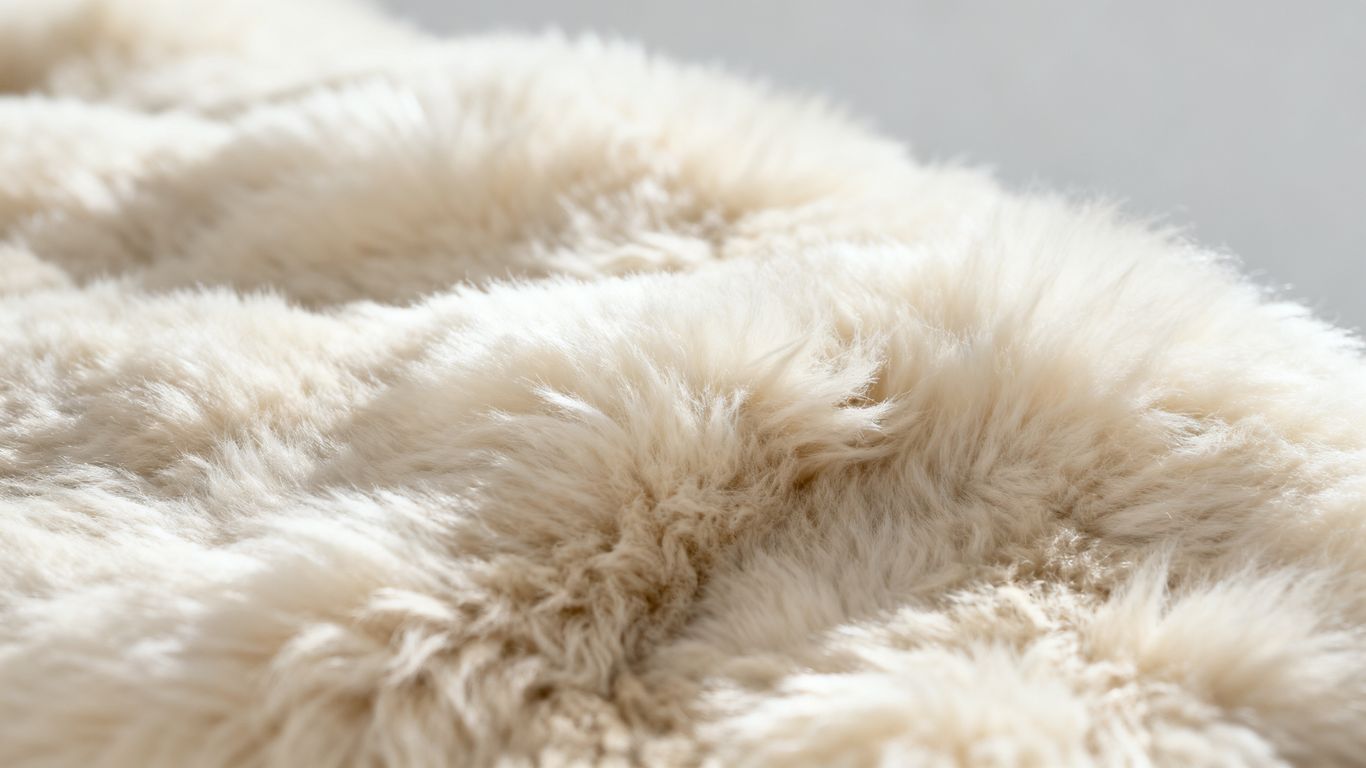
Finding superior footwear requires a closer look at the raw materials used during manufacturing. When you search for sheepskin slippers womens, examining the thickness, density, and source of the wool will guide you toward truly lasting investments. Premium products prioritize the natural state of the hide, ensuring that each step feels soft and cushioned.
Evaluating wool density and loft
High-quality sheepskin should feel thick and springy, with a high loft that bounces back under pressure. If you can press your fingers into the wool and it returns to its original position quickly, the density is likely sufficient for long-term comfort. Low-density wool tends to mat down rapidly, resulting in less cushioning and a shorter lifespan for the slipper.
Distinguishing between genuine sheepskin and synthetic alternatives
Genuine sheepskin is characterized by its soft, non-uniform texture and the way it connects seamlessly to the leather backing. Synthetic alternatives often feel uniform or plasticky and lack the natural breathability of real hide. When you examine products like Josie Sheepskin Scuffs, you can observe the subtle variations in the wool that indicate authentic material sourced from natural processes.
The importance of sustainably sourced hides
Understanding where your footwear comes from is a core part of making a conscious purchasing decision. Sustainable farming supports ethical land management and ensures the health of the flock, which directly influences the quality of the wool. By selecting items made with care, you support craftsmanship that honors the heritage of the material.
Choosing the right style for your lifestyle
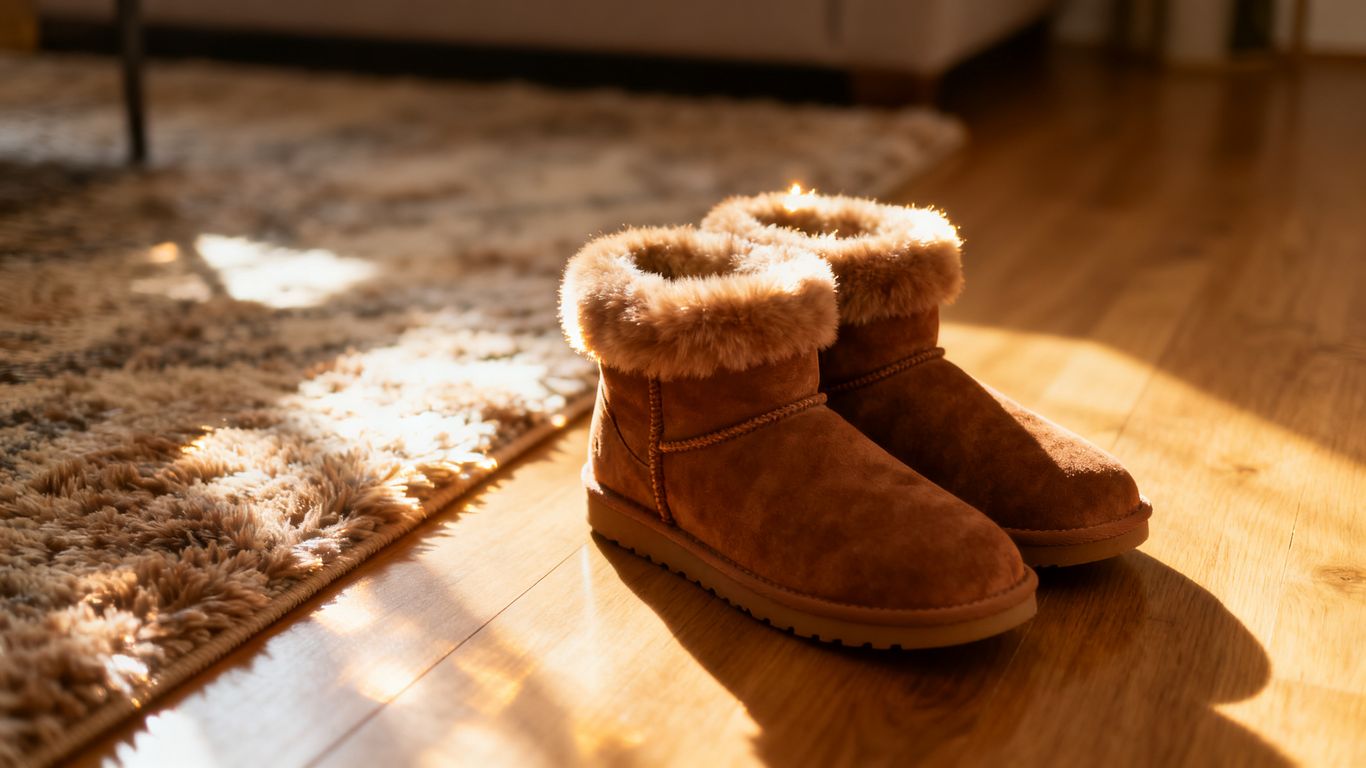
Your daily habits should dictate the silhouette of the footwear you add to your closet. Whether you need something for quick trips to the porch or absolute indoor comfort, the design of your slipper plays a massive role in how much you enjoy wearing them. Consider your typical environment before committing to a specific design.
Slip-on versus full-coverage ankle boots
Slip-on designs offer convenience, while ankle boots provide extra warmth and stability for those who move around frequently. If you desire total coverage, the Willow Real Sheepskin Slipper Ankle Slippers provide a high cuff that keeps your ankles cozy, making them an excellent choice for colder climates or drafty homes.
Selecting outsoles for indoor and outdoor versatility
Choosing the right sole ensures your slippers can handle the surfaces you encounter most often. The following table illustrates common outsole materials found in quality sheepskin footwear:
| Outsole Type | Best Use Scenario | Traction Level |
|---|---|---|
| Soft Hide | Indoor, carpet, wood | Low to Moderate |
| Flexible TPR | Indoor/Light Outdoor | High |
| Molded EVA | Indoor/Outdoor errands | High |
Selecting a durable outsole like TPR or EVA allows for quick trips outside, such as collecting the mail or walking to the porch, without damaging the leather bottom of your footwear.
Finding the perfect fit for different foot widths
Because natural sheepskin packs out after a few hours of wear, it is standard for these slippers to initially fit snugly. A proper fit ensures your foot is cradled rather than sliding around, which provides better support. If you have unique width requirements, look for models that feature adjustable collars or internal shaping to ensure a tailored feel that conforms to your anatomy.
Caring for your sheepskin footwear
Proper maintenance is the secret to extending the life of your favorite pair and keeping them looking as good as they did on day one. A consistent routine prevents the buildup of dust and helps the wool maintain its original shape and softness. To help manage this, using a kit like the Sheepskin Care Kit provides the right tools for routine cleaning and conditioning.
Regular brushing to maintain wool texture
Using a dedicated brush allows you to detangle the wool, which prevents matting and restores the plush feeling of the fleece. We recommend:
- Brushing the wool in the direction of the fibers.
- Focusing on high-friction areas like the heel.
- Removing loose debris with a gentle, soft-bristle head.
- Restoring the loftiness to flattened areas after heavy use.
Proper drying methods to prevent leather hardening
If your slippers ever become damp, it is vital to dry them at a natural pace. Avoid placing them directly near heaters, radiators, or in harsh sunlight, as extreme heat can cause the leather to become brittle and crack. Instead, find a cool, well-ventilated space and let them air dry slowly to preserve the flexibility of the hide.
Safe stain removal and spot cleaning techniques
When a spill happens, acting quickly is key, but avoid submerging your slippers in water unless the manufacturer specifically recommends it. For minor stains, gently dab the affected area with a damp, soft cloth using a wool-safe detergent. Always test a small, inconspicuous spot first to ensure the color remains stable before treating the visible spill.
The benefits of premium New Zealand sheepskin
New Zealand has long been recognized for producing some of the world's finest wool, and for good reason. The specific climate and land management practices create a fiber that is uniquely suited for luxury footwear. When you choose an item crafted from this source, you are investing in a tradition of agricultural excellence.
Cold-climate growth and wool quality
Sheep raised in the fluctuating, often cool temperatures of the region produce wool with exceptionally dense and strong fibers. This natural adaptation is what gives these products their characteristic warmth and resilience, ensuring they provide comfort regardless of seasonal shifts. The quality of the environment is mirrored in the tactile superiority of the wool.
Ethical farming and sourcing standards
Beyond comfort, the commitment to ethical farming means that animals are treated with respect and the land is managed to preserve its natural beauty. High standards in sourcing translate into a final product that is free from harmful chemicals, making it exceptionally gentle against the skin.
Craftsmanship techniques that enhance comfort
Quality doesn't stop at the raw material; it continues through the stitching, assembly, and finishing processes. Experts who have spent decades working with this material know how to utilize every property of the hide to ensure lasting comfort. This level of attention to detail creates an integrated, luxurious experience in every pair.
Conclusion
Investing in authentic, well-crafted sheepskin footwear is a choice to prioritize comfort and quality in your domestic life. By understanding the distinct material benefits, selecting the right style for your home, and maintaining them with care, you can ensure your slippers remain a cozy staple for many seasons. Embrace the natural warmth and durability that only premium sheepskin can provide.
Frequently Asked Questions
Should new sheepskin slippers feel tight?
Yes, it is normal for these slippers to feel quite snug when you first put them on, as the plush wool needs time to compress and mold to the unique shape of your feet within a few hours of wear.
Can I wear my sheepskin slippers outdoors?
This depends entirely on the design of the sole, as slippers with durable rubber or EVA outsoles are generally suitable for light outdoor use, while traditional soft-hide bottom designs are strictly for indoor surfaces.
How often should I brush the wool?
Brushing once every few weeks is usually sufficient to prevent matting and keep the wool texture soft, though more frequent brushing may be helpful if you wear them daily without socks.
Is it normal for sheepskin to shed slightly?
Minimal shedding is common in brand-new pairs as loose fibers from the manufacturing process work their way out, which should decrease significantly after you have worn them for a short time.
Can I wash my sheepskin slippers in a machine?
Always check the specific care instructions provided by the manufacturer before machine washing, as most high-quality sheepskin requires careful hand washing or a gentle wool cycle to prevent permanent damage to the leather.
How do I stop my feet from sweating in slippers?
Sheepskin is naturally breathable, but if you experience excess moisture, ensuring your feet are dry before putting on your slippers and wearing them without thick socks can help the material perform its natural wicking function effectively.
What do I do if I spill water on my slippers?
Immediately dab the spill with a clean, dry cloth to absorb the excess liquid, then allow the slippers to air dry naturally in a cool, ventilated area away from direct heat sources to prevent the leather from hardening.


